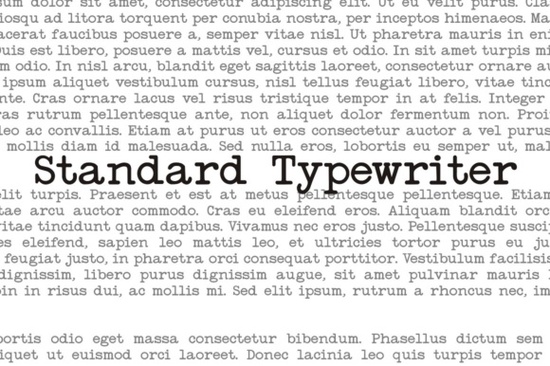
If you've been searching for a font that brings back the feel of vintage typewriter output, the Standard Typewriter Font is worth a close look. It's a clean, simple sans serif designed specifically to mimic the effect of old typewriting machines. Whether you're working on a retro brand identity, a scrapbook layout, or a print-on-demand design that needs an authentic mechanical look, this font delivers that classic keystroke aesthetic without feeling outdated.
Compared to more decorative options like Loving Ambros or a clean serif like Kind Avenue, the Standard Typewriter Font keeps things minimal. Its strength lies in its simplicity every letter looks like it was punched onto paper by a real typewriter, complete with subtle spacing and weight variations that give it character.
What Makes a Typewriter Font Different From Other Font Styles?
Typewriter fonts are distinct because they imitate the mechanical look of old typing machines. Unlike modern sans serifs or elegant serifs, they have a few defining traits:
- Monospaced or near-monospaced spacing characters tend to occupy similar widths, just like real typewriter output.
- Irregular edges the ink coverage mimics how a typewriter ribbon strikes paper, sometimes heavier, sometimes lighter.
- A raw, analog feel even in digital form, typewriter fonts carry a sense of physicality and imperfection.
This makes them a popular choice for projects that need a vintage, editorial, or handmade quality. The Standard Typewriter Font captures all of these qualities while staying legible and easy to use at various sizes.
Who Should Use the Standard Typewriter Font?
This font works well for a surprisingly wide range of creative projects. Here's who tends to benefit the most:
- Print-on-demand sellers typewriter fonts sell well on t-shirts, mugs, and posters, especially in niches like vintage, writer, or minimalist aesthetics.
- Scrapbookers and journal makers if you design printable journal pages or memory books, a typewriter font adds a nostalgic touch.
- Bloggers and content creators use it for headers, pull quotes, or featured images to stand out from standard web fonts.
- Small businesses bakeries, coffee shops, and boutique brands often use typewriter fonts for menus, labels, and packaging because the look feels warm and personal.
- Wedding and event designers invitations, seating cards, and signage all benefit from the retro charm of a typewriter style.
If your project calls for something with more editorial flair, you might also explore The Stripes Editorial, which offers a different take on clean, structured type. But for that authentic typed-on-paper look, the Standard Typewriter Font is hard to beat.
How Does It Compare to Other Serif and Sans Serif Fonts?
When choosing fonts for a project, it helps to understand where a typewriter font fits in the broader type landscape. Here's a quick comparison:
- Serif fonts (like Sage Averal) have small strokes at the ends of letters. They tend to look traditional and are great for body text and formal designs.
- Sans serif fonts remove those extra strokes for a cleaner, more modern look.
- Typewriter fonts sit in their own category. They're technically sans serif in structure but carry the visual weight and irregularity of mechanical printing.
The Standard Typewriter Font leans sans serif in its letter construction, but its character comes from the typewriter effect the slight unevenness, the monospaced rhythm, and the sense that each letter was physically stamped onto the page.
What Design Projects Work Best With This Font?
Here are some specific ideas where this font really shines:
- Quote posters pair it with a plain background for a clean, literary look.
- Social media graphics typewriter fonts catch the eye because they feel different from the usual clean sans serifs everyone uses.
- Book covers and chapter headers especially for mystery, thriller, or historical fiction genres.
- Resume templates a typewriter-style header gives a resume personality without sacrificing professionalism.
- DIY greeting cards print-at-home cards with typewriter text have a handmade feel that people love.
Tips for Pairing the Standard Typewriter Font With Other Typefaces
A typewriter font usually works best as a headline or accent font rather than for long blocks of body text. Here are some pairing ideas:
- Use it alongside a simple sans serif for body copy to keep things readable.
- Combine it with a script or handwritten font for a creative, layered look on invitations or posters.
- Pair it with a structured serif for editorial layouts the contrast between mechanical and traditional type looks polished.
The key is to let the typewriter font be the star of your headlines while keeping supporting text clean and simple.
Quick Checklist Before You Start Designing
- ✅ Check the license make sure it covers your intended use (personal, commercial, POD, etc.).
- ✅ Test at different sizes typewriter fonts can lose detail at very small sizes, so preview before committing.
- ✅ Pair it intentionally avoid mixing it with too many other decorative fonts.
- ✅ Use it where it makes sense headers, titles, short text blocks, and accents are the sweet spot.
- ✅ Consider your audience vintage aesthetics resonate with certain niches more than others.
Start by downloading the Standard Typewriter Font and test it on one of your current projects. Even swapping out a header font can completely change the mood of a design. Give it a try and see how it fits your creative style.
Learn More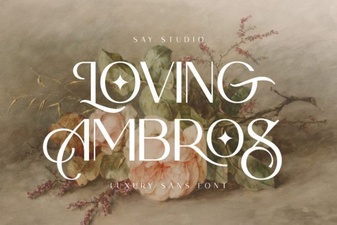 Discover the Elegance of Loving Ambros Font for Design
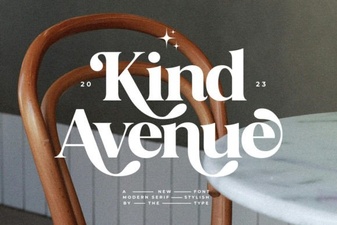 Kind Avenue Font: Creative Design Ideas and Free Download
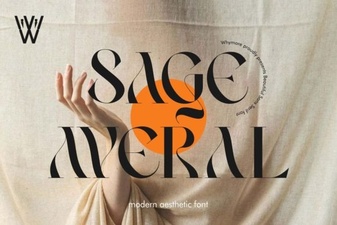 Discover the Sage Averal Font for Creative Design
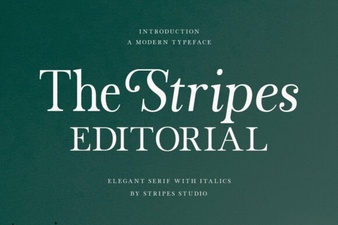 The Stripes Editorial Serif Font | Elegant Classic Typeface for Print & Digital
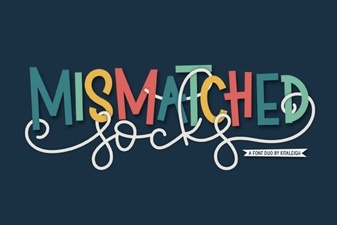 Playful Mismatched Socks Font for Creative Designs
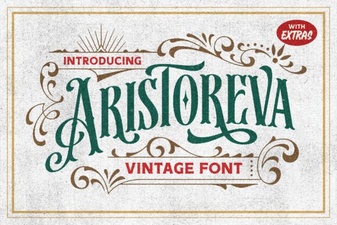 Aristoreva Font: Elegant Typography for Creative Designs