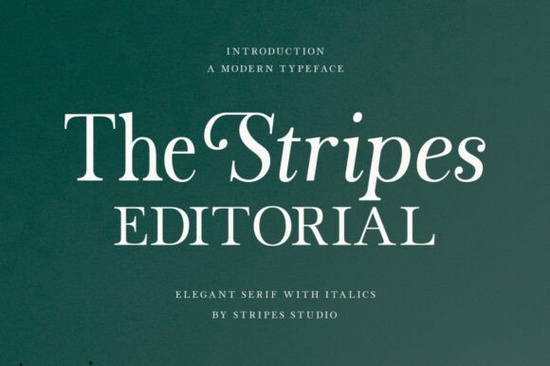
If you've been on the hunt for a serif typeface that feels both classic and current, The Stripes Editorial Font is worth a serious look. It ships with four distinct styles Regular, Italic, Scale Italic, and Slant so you get real range without piecing together separate font packs. From editorial layouts to branding projects, this typeface holds up well across both print and screen.
What styles does this font include?
Each style in the set has its own personality, which means you can handle a full layout using just this one family:
- Regular Clean and balanced. Best for body copy, paragraphs, and any place where straightforward readability is the priority.
- Italic More expressive and graceful. Works well for emphasis, pull quotes, or text that needs a softer, literary tone.
- Scale Italic A thoughtfully designed slant with unusual proportions. It adds an artistic touch that feels intentional rather than just "tilted."
- Slant Geometric and modern. Gives text a subtle sense of movement, which pairs nicely with contemporary layouts and headline use.
Having all four in one package means you can create visual hierarchy headings, subheads, body text, and accents without switching font families.
Who is this serif typeface a good fit for?
This font works across a surprisingly wide range of projects. Here are some people and use cases where it really makes sense:
- Print-on-demand sellers Use it on quote journals, planners, greeting cards, and wall art where the typography itself is the design.
- Small business owners Menus, business cards, packaging, and price lists all benefit from a serif that reads well and looks refined.
- Brand designers The subtle serif detailing gives logos and wordmarks a polished, established feel without being stuffy.
- Bloggers and content creators Website headers, Pinterest pins, and social media templates look sharper with a typeface that has real character.
- Publishing projects Book covers, magazine layouts, and newsletter designs get a boost from its graceful contrast and editorial-ready styling.
The key strength here is readability at multiple sizes. Some decorative serifs fall apart at small text sizes, but this one stays clear and legible an important detail for both digital and print work.
How does it compare to other serif fonts?
With so many serif fonts available, it helps to know where this one stands out. A few things worth noting:
- The four-style system is more versatile than basic serif fonts that only offer regular and bold weights.
- The Scale Italic style is genuinely distinct it's not just a standard oblique but a separate design with its own rhythm.
- The overall tone sits comfortably between classic and modern, so it doesn't lean too far in either direction.
If you want to explore other options with a similar feel, there are some solid choices. For a vintage typewriter aesthetic, check out this monospaced serif Standard Typewriter Font has that old-school editorial charm. If you prefer something softer and more romantic, this elegant serif alternative Loving Ambros Font pairs beautifully with feminine branding. For an earthy, organic tone, this nature-inspired option Sage Averal Font brings a grounded elegance. And if you need clean, approachable lettering for everyday projects, this friendly serif Kind Avenue Font is a reliable pick.
How do you pair and use it effectively?
A few practical tips to get the best results with this font:
- Pair it with a simple sans-serif for body text contrast. A geometric or neo-grotesque sans works particularly well alongside these serif details.
- Use Regular for paragraphs it was built for extended reading, so let it do that job.
- Save Scale Italic and Slant for display use headlines, quotes, and accent text where you want the eye to stop and notice.
- Test at multiple sizes before committing to a final layout. What looks great at 48pt might behave differently at 11pt, especially in print.
- Check the license details on Creative Fabrica to confirm it covers your specific project type, whether that's POD, client work, or personal use.
Before you start your next project, run through this quick checklist:
- Download and install all four font styles.
- Map out which style goes where headings, body, accents, captions.
- Pick a complementary sans-serif for contrast.
- Preview the font on both screen and in print (or mockups).
- Review the license to make sure your use case is covered.
A good serif typeface saves you time and gives your work a consistent, professional look. Take a few minutes to explore The Stripes Editorial Font and see if its four styles fit what you're working on.
Explore Design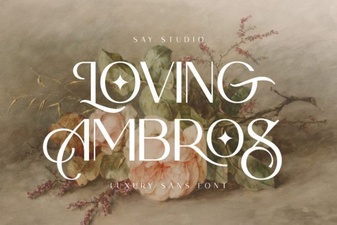 Discover the Elegance of Loving Ambros Font for Design
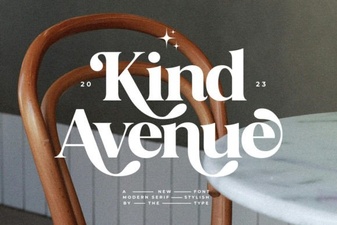 Kind Avenue Font: Creative Design Ideas and Free Download
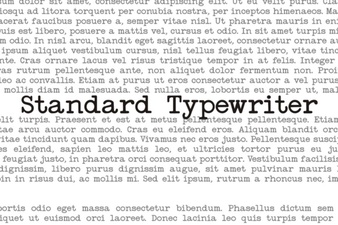 Standard Typewriter Font: Vintage Style for Modern Design
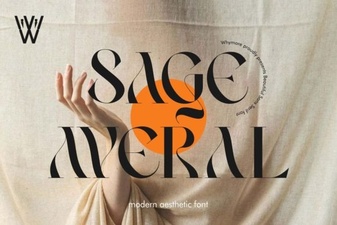 Discover the Sage Averal Font for Creative Design
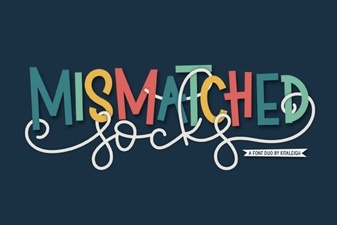 Playful Mismatched Socks Font for Creative Designs
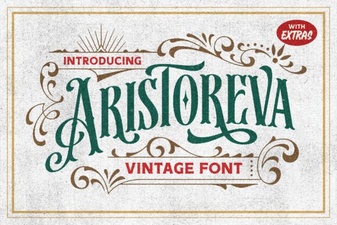 Aristoreva Font: Elegant Typography for Creative Designs